Memory Market Dynamics: A Technical and Market Analysis of the Current Price Surge

Views : 2891
Update time : 2025-12-27 14:37:40

For AI server deployments, secure HBM inventory now or risk 6+ month delays in 2025.
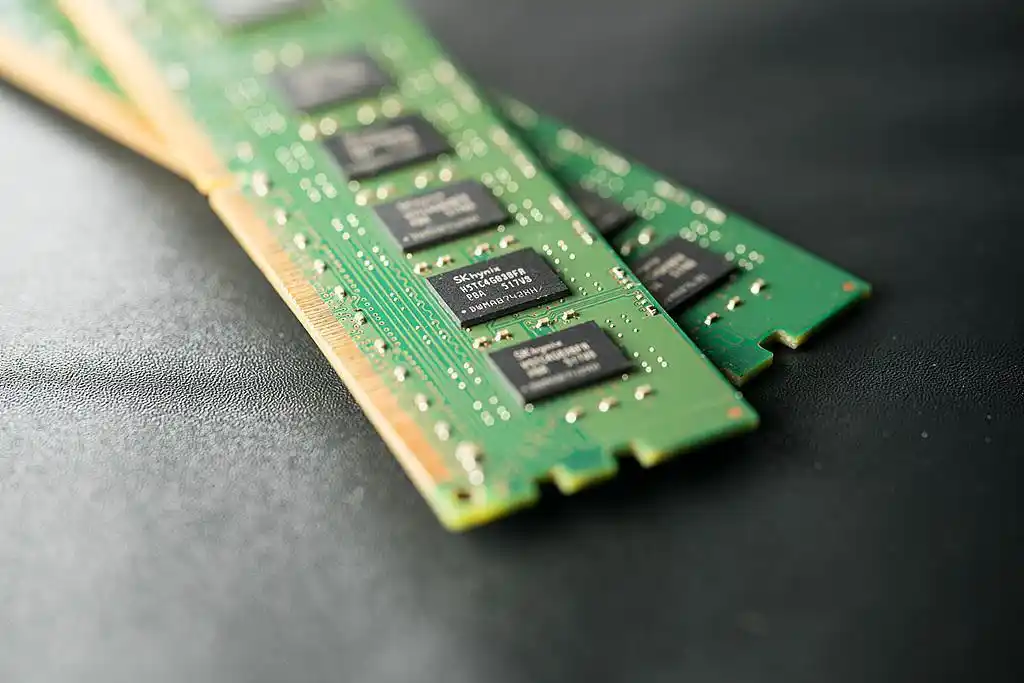
Market Overview: Understanding the Price Surge

The global memory market is experiencing a significant price increase, driven by a combination of supply constraints and surging demand. Key factors include:

  • DRAM Supply Tightening: Major manufacturers (Samsung, SK Hynix, Micron) have reduced wafer allocations, prioritizing high-margin products like HBM for AI servers.
  • AI-Driven Demand: High-Bandwidth Memory (HBM) orders have surged by 35% YoY, with NVIDIA’s upcoming B100/B200 GPUs further straining supply.
  • Legacy Node Shortages: DDR4 and some DDR5 modules face production bottlenecks as fabs shift to advanced nodes.
  • Geopolitical & Trade Factors: Export controls and logistics disruptions (e.g., Red Sea shipping delays) add cost pressures.

Price Projections (Q3 2024 – Q1 2025):

Category Current Increase Q4 Forecast
DDR5 RDIMM +15-20% +10-15%
HBM3/E +30%+ +20-25%
DDR4 (Enterprise) +10-12% Stabilizing

Technical Deep Dive: Why HBM is the Bottleneck

HBM’s Role in AI Servers:

  • Bandwidth-Centric Design: HBM3 delivers >1TB/s bandwidth, critical for GPU clusters in LLM training.
  • Stacked Architecture: 3D-stacked DRAM dies with TSV (Through-Silicon Via) technology increase complexity and yield challenges.
  • Co-Packaged with GPUs: NVIDIA’s Blackwell GPUs integrate HBM3E, tying memory supply directly to AI chip production.

Production Challenges:

  • Low Yields: HBM3E yields at ~60-70% vs. >90% for conventional DRAM.
  • Capacity Allocation: 60% of HBM supply is reserved for top-tier cloud providers (AWS, Google, Meta).

Strategic Recommendations for Buyers

Short-Term (0-6 Months):

  • Lock in Contracts: Negotiate fixed-price agreements for DDR5/HBM before Q4 hikes.
  • Explore Alternatives:

    • Substitute Modules: Consider higher-density RDIMMs to reduce slot usage.
    • Secondary Suppliers: Partner with non-traditional vendors (e.g., CXMT for DDR4).

Long-Term (2025):

  • Diversify Supply Chains: Dual-source critical components across regions.
  • Adopt CXL Memory: Future-proof with Compute Express Link (CXL) architectures for pooled memory flexibility.

Vendor Landscape: Who’s Gaining?

  • Samsung/SK Hynix: Dominating HBM supply but prioritizing hyperscalers.
  • Micron: Ramping HBM3E production, with 30% capacity growth planned for 2025.
  • Emerging Players: CXMT (China) and Winbond (specialty DRAM) may fill gaps in legacy nodes.

Conclusion: Navigating the New Normal

The memory market will remain volatile through 2025, with HBM demand outstripping supply. Enterprises must:

  • Monitor GPU Roadmaps: Blackwell GPU launches will tighten HBM supply further.
  • Adopt Hybrid Memory Architectures: Blend HBM with CXL-attached memory for cost optimization.
  • Leverage Market Intelligence: Work with distributors providing real-time allocation updates.
Related News